
Season 2 · Episode 3
Psychedelics Without Therapy? Inside the Psychedelic Clinical Trials
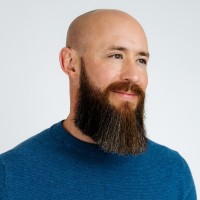 with Dr. Steve Thayer
Show notes
Clinical psychologist Dr. Steve Thayer shares what he has learned from years of psychedelic therapy and clinical trials, including his work co-founding Inner Space Research. Hosts Joe Flanders and Andrew explore how trials balance scientific rigor with human support, what makes psychedelic sessions unpredictable, and how practitioners can care for participants and themselves.
In this episode:
- Thayer traces his path from Air Force clinical psychology and a high-volume private practice to ketamine therapy, psychedelic research, and co-founding a clinical trial site.
- He explains how contract research organizations connect pharmaceutical sponsors with research sites, and names compounds and delivery methods he has encountered, including LSD tablets, DMT injections, and 5-MeO-DMT nasal spray.
- The hosts and Thayer examine why trials use terms like “dosing session monitor” instead of “therapist,” and the tension between controlling variables for FDA approval and preserving meaningful psychological support.
- They discuss what trials measure, including symptom scales, and why positive results in a study without psychotherapy do not establish how outcomes compare with therapy-supported treatment.
- Thayer describes psychological flexibility as a possible shared pathway to change: psychedelics may loosen rigid patterns and help people learn through lived experience, though the mechanisms remain uncertain.
- The conversation considers non-hallucinogenic compounds designed to produce some psychedelic-like effects without a trip. Thayer has not worked with them and suspects the experience itself may matter, but says research must answer the question.
- For session support, Thayer recommends preparation, collaboration, attention to a participant’s window of tolerance, and pausing to ask whether an intervention serves the participant or the practitioner’s own discomfort.
- He shares practical guidance for unpredictable sessions, from setting clear boundaries around disrobing to staying grounded, using co-facilitators, and seeking peer support.
- Thayer discusses personal rituals for entering and leaving the session role, and his cautious optimism about regulatory progress and the potential reach of psychedelic-assisted care.